Health Tips
Generic vs Brand Hydrocodone: What Actually Changes Between the Bottle and the Brand Name

Your prescriber says “Norco.” The pharmacy label says “hydrocodone bitartrate and acetaminophen.” The tablets are white and oval this month, but last time they were white and capsule-shaped with a different code stamped on them. It’s natural to wonder whether you got the right medicine, a weaker version, or something else entirely.
For hydrocodone, the brand-versus-generic question has an unusual twist. The best-known brand names have largely disappeared from U.S. pharmacy shelves, and one of the most famous of them was itself approved through the same shortened pathway that generics use. This guide explains what the FDA requires a generic to match, where real differences can show up, why your pills sometimes change appearance, what happened to Vicodin, Norco, and Lortab, and how to keep costs down without cutting corners on safety.
Start With Your Label: What Each Line Tells You
Before comparing brands and generics, it helps to read the bottle in your hand. A U.S. pharmacy label for hydrocodone usually includes these pieces of information:
| Label line | Example | What it tells you |
|---|---|---|
| Drug name | Hydrocodone bitartrate/acetaminophen | The active ingredients, by generic name. If a brand was dispensed, the brand name may appear too. |
| Strength | 10 mg/325 mg | The first number is hydrocodone, the second is acetaminophen, per tablet. |
| “Generic for” or “substituted for” | Generic for Norco | Many pharmacies print this when a generic replaces the brand your prescriber named. Wording varies by state and pharmacy. |
| Manufacturer | Name of the drug company | Who made the tablets. This explains changes in appearance from one fill to the next. |
| Description | White, oval tablet, imprint code | What the tablet should look like. Many pharmacies print a description or picture. |
| Refills | No refills | Hydrocodone is Schedule II, so it can’t be refilled. Each supply needs a new prescription. |
The strength line is the most important. The hydrocodone number (5, 7.5, or 10 mg in most tablets) tells you how much opioid you’re taking, and the acetaminophen number tells you how much counts toward your daily acetaminophen limit. For a closer look at how the two ingredients work together, see hydrocodone vs. acetaminophen.
The Hydrocodone Brand Family Tree
“Hydrocodone” isn’t a single product. It’s an active ingredient sold in several combinations and forms, each of which has had its own brand names. Here’s how the family breaks down.
| Type | Brand names you may hear | Generic name on the label | Status notes |
|---|---|---|---|
| Hydrocodone + acetaminophen tablets | Vicodin, Norco, Lortab, Lorcet, Xodol | Hydrocodone bitartrate and acetaminophen | Vicodin and Norco brands are listed as discontinued in the U.S.; generics are widely available |
| Hydrocodone + acetaminophen liquid | Lortab elixir, Hycet, Zamicet | Hydrocodone bitartrate and acetaminophen oral solution | Brand availability varies; generic solutions exist |
| Hydrocodone + ibuprofen | Vicoprofen, Reprexain, Ibudone | Hydrocodone bitartrate and ibuprofen | Mostly dispensed as generic |
| Hydrocodone alone, extended-release | Hysingla ER, Zohydro ER | Hydrocodone bitartrate extended-release | The FDA approved a generic of Hysingla ER in 2021; availability varies |
| Hydrocodone cough products | Hycodan, Tussionex, and others | Hydrocodone with homatropine or chlorpheniramine | Limited to adults 18 and older since 2018 |
Because brands come and go, the status column is a snapshot. Your pharmacist can tell you exactly what’s in stock. For head-to-head comparisons of the most familiar names, read Vicodin vs. Norco, Lortab vs. Vicodin, hydrocodone vs. Norco, and hydrocodone vs. Vicodin.
The Twist: Why Hydrocodone’s “Brands” Were Never Quite Brands
With most medicines, the story is simple. One company invents a drug, runs clinical trials, sells it under a brand name while its patent lasts, and other companies later make cheaper copies. Hydrocodone doesn’t follow that script.
Hydrocodone was first approved in the U.S. in 1943, long before today’s generic drug system existed, and its combination with acetaminophen has been sold by many companies for decades. Many of the names people think of as “the brand” were products from individual manufacturers rather than a single original drug. FDA records make this clear. When the agency removed high-acetaminophen pain tablets from the market in 2014, the Federal Register notice listed Vicodin, Vicodin ES, and Vicodin HP as abbreviated new drug applications, the same type of application used for generics.
In other words, for the most common hydrocodone tablets, the “brand” was largely a trade name on a product approved like a generic. That’s one reason the brand-versus-generic gap for hydrocodone/acetaminophen is especially small. The long-acting, hydrocodone-only products are different. Hysingla ER and Zohydro ER were approved as new products with their own studies, and generic versions must be measured against them.
The 2014 acetaminophen reset
The same 2014 action changed what “Vicodin” meant. For years, Vicodin contained 500 mg of acetaminophen per tablet, Vicodin ES 750 mg, and Vicodin HP 660 mg. After the FDA concluded that prescription combination products with more than 325 mg of acetaminophen per dose weren’t safe because of the risk of liver injury, those versions were withdrawn. Later Vicodin tablets contained 300 mg of acetaminophen, and today’s generics typically contain 325 mg.
So if you see older references to hydrocodone 5/500, 7.5/750, 10/500, 10/650, or 10/660, those strengths are no longer approved in the U.S. Anything sold with those numbers today should be treated as suspect.
What a Generic Must Match, and What It Can Change
The FDA sets the rules for every generic sold in the U.S. According to the agency’s generic drug facts, a generic must have the same active ingredient, strength, dosage form, and route of administration as the brand, must meet the same manufacturing quality standards, and must be bioequivalent.
| Must be the same | Allowed to differ |
|---|---|
| Active ingredients (hydrocodone bitartrate plus acetaminophen or ibuprofen) | Inactive ingredients (fillers, binders, coatings, dyes) |
| Amount of each active ingredient per tablet | Tablet color, shape, size, and imprint |
| Dosage form (tablet, capsule, solution, extended-release) | Scoring (whether the tablet has a line for splitting) |
| Route (by mouth) | Packaging and manufacturer |
| How the drug is absorbed (bioequivalence) | Price |
| Warnings, including the boxed warning | Minor label details, such as the brand name |
| Manufacturing quality standards (current good manufacturing practices) | Flavor and sweeteners (for liquids) |
“Can a generic be 20% weaker?” The 80–125% misunderstanding
A common belief is that a generic can contain anywhere from 80% to 125% of the brand’s dose. That isn’t what the rule means. The 80–125% range applies to a statistical test: the 90% confidence interval for the ratio of how much drug reaches the bloodstream, generic compared with brand, must fall entirely within that range. To pass, the actual average difference has to be much smaller. A review explaining the requirement notes that an FDA analysis of more than 2,000 bioequivalence studies found the average difference between generic and brand in total absorption was only about 3.5%. That’s similar to the variation between batches of the same brand.
Where Real Differences Can Show Up
Legitimate generics are held to strict standards, but that doesn’t mean every product is identical in every way. Here’s where differences are real and worth knowing about.
1. Inactive ingredients
Fillers, binders, and dyes vary between manufacturers. For most people this doesn’t matter. If you have a true allergy or intolerance to a specific dye, lactose, gluten, or another excipient, check the full ingredient list. Your pharmacist can pull it up, or you can search the product label on DailyMed, the National Library of Medicine’s label database.
2. Tablet size and splitting
Some tablets are scored and some aren’t. If your prescriber told you to take half a tablet, check that your current product is scored and that splitting it is allowed. Never split, crush, or chew extended-release hydrocodone, because that can release a dangerous dose all at once.
3. Liquids
Oral solutions differ in flavor, sweeteners, and sometimes concentration. A switch between products with different concentrations is a well-known source of dosing mistakes. Always measure liquid with the device supplied (an oral syringe or dosing cup), never a kitchen spoon, and check the mg-per-mL figure each time you get a new bottle.
4. Extended-release technology
Brand Hysingla ER uses a design meant to resist crushing and snorting. A generic extended-release product has to match the brand’s release of the drug into the body, and the FDA also evaluates abuse-deterrent features for generics of such products. If you’re switched between extended-release products, ask your pharmacist whether the new one has the same once-daily or twice-daily schedule.
5. Appearance from month to month
This is the difference people notice most, and it’s covered in its own section below.
6. Price and coverage
Generics are dramatically cheaper. The FDA reports that prices fall by about 30% when one generic competitor enters the market and by close to 85% once five compete. Hydrocodone/acetaminophen has many generic makers, which is why it’s one of the least expensive opioids at the pharmacy counter.
“Why Does My Hydrocodone Look Different This Time?”
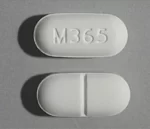
Pharmacies buy from wholesalers, and wholesalers buy from whichever manufacturers are available at a good price. So your pharmacy may switch from one maker’s generic to another between fills. Trademark laws generally prevent generics from looking exactly like the brand, and different generic makers choose their own colors, shapes, and imprints. The result is that the same prescription can look different from month to month even though the active ingredients and strength are identical.
Changes in pill appearance are more than a curiosity. Researchers have found that when pills change color or shape, some patients become confused, worry they’ve been given the wrong drug, or stop taking a medicine they need. With an opioid, confusion can also lead to accidental double doses.
What to do when your tablets look different
- Check the label first. Confirm the drug name and strength match your prescription.
- Compare the description. Many labels describe the tablet or show a picture. The imprint code on your tablet should match.
- Ask the pharmacist. They can confirm the manufacturer and imprint in seconds. It’s a common question, and asking is always reasonable.
- Don’t mix old and new tablets in the same bottle. Keeping them separate makes it easy to identify each one.
- Update anyone who helps with your medicines, such as a caregiver or family member who fills a pill organizer.
If a tablet doesn’t match its label, or you got it from anywhere other than a pharmacy, don’t take it. Take it to a pharmacist to be identified.
What Happens at the Pharmacy Counter
Automatic substitution
Every state allows pharmacists to substitute an approved, therapeutically equivalent generic for a brand-name drug unless the prescriber says otherwise, and many states require it when a generic is cheaper. Pharmacists rely on the FDA’s Orange Book, which lists therapeutic equivalence ratings. Products rated “A” are considered substitutable.
“Dispense as written”
If your prescriber marks a prescription “dispense as written” or “brand medically necessary,” the pharmacist has to provide the named product. For hydrocodone combinations, that often isn’t possible anymore because the brand isn’t made. The pharmacist may need to contact the prescriber. Insurers commonly charge more for brands, and some make patients pay the full price difference when a brand is requested without a documented medical reason.
No refills, but partial fills are allowed
Since October 2014, all hydrocodone products have been Schedule II, which means no refills. A lesser-known rule can help. The Comprehensive Addiction and Recovery Act of 2016 allows a Schedule II prescription to be partially filled at the request of the patient or prescriber. If you think you’ll need only a few tablets, you can ask the pharmacist to fill part of the prescription. That can save money and leave fewer leftover tablets at home. Pharmacy rules for collecting the rest vary, so ask how it works where you are.
Checks the pharmacist may do
Pharmacists usually check your state’s prescription drug monitoring program, confirm your ID, and review your other medicines for dangerous combinations, especially benzodiazepines, sleep medicines, and alcohol. See hydrocodone and alcohol for why that matters. These checks are the same whether you get a brand or a generic.
“The Brand Worked Better for Me.” Could That Be True?
Some people are convinced a brand works better than a generic, or that one generic manufacturer works better than another. There are a few possible explanations.
- Expectations. Research on the “nocebo effect” shows that people who expect a cheaper or unfamiliar pill to work less well often report that it does, even when the medicine is identical. A new color or shape can trigger that expectation.
- Your pain changed. Pain after surgery or injury normally shifts from day to day. A worse day after switching products may be coincidence.
- Tolerance. With regular use, the same dose can feel less effective over time, regardless of manufacturer. Tolerance isn’t a sign the generic is weaker.
- A real, individual reaction. Rarely, a person reacts to an inactive ingredient in one product. Symptoms such as rash, itching, or stomach upset that start right after a switch are worth reporting.
If you believe a product isn’t working the way it should, don’t take extra tablets to make up for it. Talk to your prescriber or pharmacist. They can check whether the manufacturer changed, suggest trying a different one, and report the problem to the FDA through MedWatch. You can file a MedWatch report yourself, too.
The Real Danger: Counterfeit “Brand” Pills
The most serious brand-versus-generic risk has nothing to do with legitimate generics. It comes from fake pills designed to look like well-known brands.
The DEA warns that criminal networks mass-produce counterfeit tablets made to look like prescription opioids, including hydrocodone (Vicodin), oxycodone (OxyContin, Percocet), and alprazolam (Xanax). These pills often contain fentanyl instead of the drug they imitate. The DEA’s fake prescription pills fact sheet, updated in November 2024, reports that 5 out of every 10 fentanyl-laced pills it tested contained a potentially lethal dose. Counterfeits can copy the color, shape, and imprint of real tablets closely, so they can’t be reliably spotted by eye.
Notice the irony: because the Vicodin and Norco brands have been discontinued, a tablet sold today as “real brand Vicodin” or “genuine Norco” is a warning sign in itself. The same goes for any product claiming a strength that the FDA withdrew in 2014, such as 5/500 or 10/650.
How to stay on the safe side
- Take hydrocodone only when it’s prescribed to you and dispensed by a licensed pharmacy.
- Be wary of any website or seller offering hydrocodone without a prescription, since that’s illegal in the U.S. You can verify online pharmacies through the FDA’s BeSafeRx resources and your state board of pharmacy.
- Never take pills from friends, social media sellers, or unknown sources.
- Keep naloxone at home if anyone in the household uses opioids. It’s sold over the counter. Learn more in our naloxone and overdose prevention archives.
For how fentanyl compares with prescription opioids, see oxycodone vs. fentanyl.
How Hydrocodone Compares With Other Opioid Brand Stories
Hydrocodone’s brand situation is different from that of its closest relative, oxycodone. Oxycodone still has distinct, actively marketed brands with their own formulations, such as OxyContin (extended-release) and Roxicodone (immediate-release). Percocet (oxycodone with acetaminophen) remains a widely recognized name. If you’re curious how those brands relate to their generics, see oxycodone brand names for pain management, Roxicodone vs. oxycodone, and OxyContin vs. oxycodone. For a cross-drug comparison, read Percocet vs. Norco.
A Quick Checklist for Your Next Hydrocodone Fill
- ☐ The drug name and strength on the label match what your prescriber told you.
- ☐ You know how much acetaminophen each tablet contains and your daily limit from all sources.
- ☐ The tablet matches the description or picture on the label.
- ☐ If the tablets look different from last time, you’ve asked the pharmacist why.
- ☐ You’ve mentioned any allergies to dyes, lactose, or other inactive ingredients.
- ☐ You’ve asked whether a partial fill makes sense if you expect to need only a few tablets.
- ☐ You’ve asked about generic pricing, discount cards, or your insurance tier.
- ☐ You have a plan to store tablets securely and dispose of leftovers.
- ☐ You have naloxone at home if there’s any overdose risk in your household.
Generic vs Brand Hydrocodone: FAQ
Is generic hydrocodone the same as Norco?
Generic hydrocodone/acetaminophen at the same strength (for example, 10 mg/325 mg) contains the same active ingredients in the same amounts as Norco 10/325 and must be bioequivalent. The inactive ingredients and the tablet’s appearance can differ. The Norco brand itself is listed as discontinued in the U.S., so most people now receive a generic.
Is Vicodin still made?
The Vicodin brand is listed as discontinued in the U.S. Its higher-acetaminophen versions (500, 660, and 750 mg) were withdrawn in 2014. Generic hydrocodone/acetaminophen replaces it.
Is brand-name hydrocodone stronger than generic?
No. Strength is set by the amount of hydrocodone per tablet, which must be identical in a generic of the same strength. A 10 mg generic tablet contains the same 10 mg of hydrocodone as a 10 mg brand tablet.
Why is my generic hydrocodone a different color or shape?
Your pharmacy likely switched to another manufacturer. Different generic makers use their own colors, shapes, and imprint codes. Confirm the name, strength, and imprint with your pharmacist.
Can I ask for a specific manufacturer?
You can ask. Many pharmacies will try to order a particular manufacturer’s product if it’s available, especially if you’ve had a reaction to an inactive ingredient. They can’t always guarantee it, since supply changes.
Does generic hydrocodone show up differently on a drug test?
No. Drug tests detect hydrocodone and its breakdown products, which are the same in brand and generic products. For timing, see how long hydrocodone stays in your system and how long Vicodin stays in your system.
Do brand and generic hydrocodone start working at the same speed?
Bioequivalence testing compares both how much drug reaches the blood and how quickly it peaks, so a legitimate generic should start working on a similar timeline. See how long Vicodin takes to kick in and how long hydrocodone lasts.
Is generic hydrocodone less addictive than the brand?
No. Brand and generic products carry the same risks of dependence, misuse, and overdose because the active ingredient is the same. Our guide to hydrocodone addiction explains the warning signs.
Why won’t my pharmacy give me brand Norco when my doctor wrote it?
Usually because the brand isn’t available and state law lets or requires the pharmacist to dispense an equivalent generic. If your prescriber specifically marked “dispense as written,” the pharmacist may call them to authorize a generic.
The Bottom Line
For hydrocodone, the gap between brand and generic is smaller than for almost any other medicine. The best-known brands were themselves approved like generics, most have left the market, and today’s generics must contain the same active ingredients in the same amounts and deliver them to the body in an equivalent way. What changes is the look, the inactive ingredients, the manufacturer, and the price. Read your label, ask your pharmacist when something looks different, and keep an eye on your total acetaminophen intake. The real danger lies outside the pharmacy, in counterfeit pills dressed up as famous brands. To learn when hydrocodone is the right choice in the first place, read when is hydrocodone prescribed?, and browse our opioid safety section for more.
This article is for general education and isn’t a substitute for advice from a pharmacist or prescriber. Hydrocodone is a Schedule II controlled substance available only with a valid prescription. Don’t take hydrocodone from any source other than a licensed pharmacy. If someone is very drowsy, can’t be woken, or isn’t breathing normally, call 911 and give naloxone if you have it. For confidential help with substance use, call the SAMHSA National Helpline at 1-800-662-4357.
Sources
- FDA: Generic Drug Facts
- Federal Register: Withdrawal of Approval of ANDAs for Prescription Pain Medications Containing More Than 325 mg of Acetaminophen (July 17, 2014)
- Andrade C. Bioequivalence of Generic Drugs: A Simple Explanation for a US Food and Drug Administration Requirement. Journal of Clinical Psychiatry, 2015
- FDA Orange Book: Approved Drug Products With Therapeutic Equivalence Evaluations
- DEA: Fake Prescription Pills Fact Sheet
- DEA: Final Rule Rescheduling Hydrocodone Combination Products (2014)
- FDA: BeSafeRx, Your Source for Online Pharmacy Information
- National Library of Medicine: DailyMed
- MedlinePlus: Hydrocodone Combination Products