Sonata
Showing all 2 resultsSorted by popularity
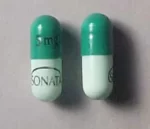
Generic Sonata 5 mg
In stock
Price range: $991.80 through $3,306.00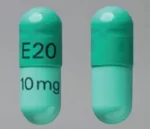
Generic Sonata 10 mg
In stock
Price range: $1,018.80 through $3,390.00Sonata medication is used as a short-term treatment for sleeping disorders or insomnia. It is a common sleep disorder affecting many individuals. It is a condition in which one is having difficulty staying asleep. This wakefulness during sleep is due to long sleep latency, anxiety, stress, and being physically inactive. An individual can buy Sonata online or at any medical pharmacy.
Sonata medicine consists of Zaleplon, which is a generic variant and also acts as an active ingredient in this branded drug. It belongs to the hypnotic drug class. However, it is not related to benzodiazepines.
The Food and Drug Administration (FDA) has approved Sonata medication to treat sleep disorders or insomnia for a short time. It is approved for adults only, not for children. It is a controlled substance of Schedule IV. Including sonata, there are also available various medications such as Halicion, Lunesta, Ambien, etc to treat sleeping problems.
Mechanism of Action of Sonata Medication:
Sonata (Zaleplon) is categorized as a non-benzodiazepine hypnotic drug class with hypnotic properties, which helps treat insomnia or sleep disorders by aiding sleep. It is also called Z-drugs.
GABA receptor has the same therapeutic properties as benzodiazepines. This drug has a strong affinity to bind with the GABA-BZ or gamma-aminobutyric acid-benzodiazepine receptor complex/chloride channel. These pharmacological properties provide anxiolytic, anticonvulsive, and sedative effects like benzo medicine does.
Dose & Strength of Dosage of Sonata Medicine:
Sleeping pill sonata drug is available in the form of oral capsule with the following dosage strengths: 5 mg (opaque green cap with opaque pale green body) and 10 mg (opaque green cap with opaque light green body).
Dose For Adults:-
The advised initial dose starts with 10 mg for middle-aged adults. The maximum sonata dosage for adults recommended by doctors is 20 mg.
Dose For Geriatric:-
A 5 mg dose is for those individuals who have less body mass, such as geriatric individuals. The maximum dose is 10 mg, and more than that dosage strength is not suggested by a healthcare provider.
The administration of the medicine is suggested by a doctor. Based on the patient’s medical condition and age the sonata dosage can be increased or decreased. The initial dose is 5 mg for hepatic and renal disorders. It is recommended to take this medication before or after going to bed.
Uses of Sonata Drug:
Sonata medicine is FDA-approved and is most widely used to treat sleep disorders (insomnia). This helps to improve sleep latency. It has quite effective result which works quickly, so it is advised to take this medication before bedtime.
Side Effects of Sonata Medication:
Common Side Effects
- Extreme sleepiness
- Light-headed feeling
- Dizziness
- Numbness, tingling, and poking (with pin or needle) in the limbs
- Difficulty with coordination
- Confused (grogginess)
Serious Side Effects
- Serious recklessness
- Serious allergic reaction
- Hallucination
- Memory loss
- Mood swings
- Extreme feeling of sadness
- Anxiety
- Uncommon changes in behavior such as confusion and aggression
Precautions:
- One should inform about their medical history to their doctor, before starting the treatment.
- Alcohol consumption is not advised while taking Sonata medication, it may make a person feel more dizzy and drowsy.
- Sonata sleeping pill may cause withdrawal symptoms. So, it is advised to not abruptly stop taking the drug.
- It is not suggested to take this medicine after having food that contains high calories. It may decrease the effectiveness of the drug.
- It may interact with other drugs, so to avoid drug interaction, one should not take both medicines simultaneously.
- Never share this medication with other people that have the same problem as yours.
Boxed Warning
Sonata (zaleplon) carries an FDA boxed warning for complex sleep behaviors: sleepwalking, sleep-driving, and other activities done while not fully awake, which have led to serious injuries and deaths. These can happen after a single dose. If one happens to you, stop Sonata and tell your prescriber. The FDA says anyone who has had such an episode shouldn’t take it again. Sonata is a Schedule IV controlled substance and requires a prescription.
The One-Hour Drug
Zaleplon has the shortest half-life of any prescription sleep medicine in the US, about one hour. It reaches peak levels about an hour after a dose and is mostly cleared within a few hours.
| Sleep medicine | Approximate half-life |
|---|---|
| Sonata (zaleplon) | ~1 hour |
| Halcion (triazolam) | 1.5–5.5 hours |
| Ambien (zolpidem IR) | ~2.5 hours |
| Lunesta (eszopiclone) | ~6 hours |
| Restoril (temazepam) | ~8.8 hours on average |
That short action is the whole story of Sonata. It helps you fall asleep and is gone before morning, so next-day grogginess is less likely than with longer-acting options. But it’s gone for the second half of the night too.
Bedtime or Later? How Timing Works
Sonata’s label allows something most sleep medicines don’t: it can be taken immediately before bed, or after you’ve gone to bed and found you can’t fall asleep.
Before using that second option, keep these rules in mind:
- The medication guide says not to take Sonata unless you can stay in bed a full night (7 to 8 hours) before being active again.
- Only one dose per night, whether at bedtime or later.
- Don’t take it if you’ve been drinking alcohol that evening.
- If you often need a dose in the small hours, tell your prescriber. That pattern points to a sleep-maintenance problem, which Sonata isn’t designed for.
Dosing Table
| Who | Usual dose | Maximum |
|---|---|---|
| Most adults | 10 mg | 20 mg |
| Lower body weight adults | 5 mg may be enough | — |
| Adults 65+ or frail | 5 mg | 10 mg |
| Mild-to-moderate liver impairment | 5 mg | — |
| Severe liver impairment | Not recommended | — |
| Taking cimetidine | Start at 5 mg | — |
Capsules: 5 mg (green cap, pale green body) and 10 mg (green cap, light green body). Swallow whole. Avoid taking right after a heavy or high-fat meal, which can delay the effect by about two hours.
What Sonata Does and Doesn’t Do
Does: shortens the time it takes to fall asleep. In trials of up to 35 nights, it consistently reduced time to sleep onset.
Doesn’t: according to the label, Sonata hasn’t been shown to increase total sleep time or reduce the number of awakenings. If your problem is waking at 3 am and staying awake, Sonata is unlikely to be the right fit. Longer-acting options like Lunesta or extended-release zolpidem are designed for that, with their own trade-offs.
Short-term: Sonata is approved for short-term treatment. If insomnia persists beyond 7 to 10 days, the label says it’s time to look for an underlying cause. Cognitive behavioral therapy for insomnia (CBT-I) is the first-line treatment for chronic insomnia. See How to Cure Insomnia.
The Heartburn-Medicine Catch
This interaction catches people out because the other drug is sold over the counter.
Cimetidine (Tagamet HB, used for heartburn and acid reflux) blocks two of the pathways that clear zaleplon: aldehyde oxidase and CYP3A4. In the label’s study, it raised zaleplon exposure by about 85%. Anyone taking cimetidine should start Sonata at 5 mg.
Tell your pharmacist about every heartburn or acid product you use, including ones bought off the shelf.
Other Interactions
- Rifampin (and other strong CYP3A4 inducers): cut zaleplon exposure by about 80%, so it may not work. Don’t take extra doses to compensate.
- Alcohol: increases impairment and complex sleep behaviors. Avoid on nights you take Sonata.
- Opioids, benzodiazepines, other sleep medicines, sedating antihistamines, muscle relaxants: added sedation and breathing risk.
The Yellow Dye Note
Sonata capsules contain FD&C Yellow No. 5 (tartrazine), a dye that can cause allergic-type reactions, including asthma, in some people. It’s more common in people who are sensitive to aspirin. If you’ve reacted to aspirin or to yellow dyes, mention it to your prescriber or pharmacist. Some generic zaleplon capsules may use different dyes, so check the specific product.
Who Should Be Cautious
- Anyone with sleep apnea, COPD, or other breathing problems
- Anyone with depression or a history of suicidal thoughts
- Anyone with a history of substance or alcohol misuse
- Older adults: lower dose; the Beers Criteria advise avoiding Z-drugs in older adults where possible because of falls and confusion
- Pregnancy and breastfeeding: limited data; talk to your prescriber
- Under 18: not approved
Stopping Sonata
At normal doses, stopping after a short course usually goes smoothly. The label notes rebound insomnia on the first night or two after stopping, which was more noticeable at 20 mg. Longer or higher-dose use can bring withdrawal-type symptoms, so talk to your prescriber about tapering if you’ve used it regularly.
Troubleshooting
| What’s happening | Likely reason | What to do |
|---|---|---|
| Fall asleep fine but wake at 3 am | Sonata’s ~1-hour half-life; it isn’t designed to maintain sleep | Tell your prescriber; don’t take a second dose |
| Takes much longer than usual to work | Taken after a heavy or fatty meal | Take on an emptier stomach next time |
| Seems stronger than usual | New cimetidine (Tagamet) use, or alcohol | Check your other medicines; avoid alcohol |
| Seems weaker than usual | Rifampin or another enzyme-inducing drug | Ask your pharmacist to review your list |
| Rash, wheezing, or itching | Possible reaction, including to tartrazine | Stop and contact your prescriber; call 911 for throat swelling or trouble breathing |
| Did something at night you don’t remember | Complex sleep behavior (boxed warning) | Stop taking Sonata and call your prescriber |
| Still need it after 1–2 weeks | Underlying insomnia cause not addressed | Ask about CBT-I and further evaluation |